Comprehensive Infrastructure Logistics and Operational Preparedness across National Educational Networks for the Upcoming Academic Year
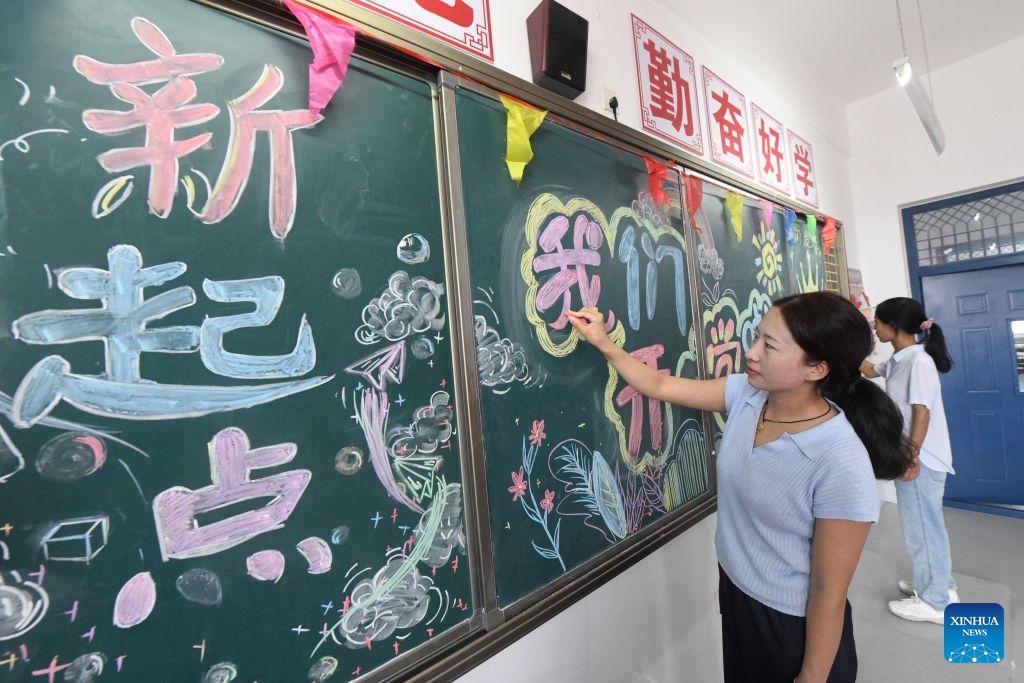
Examining the multi-departmental prep work underway across primary, secondary, and early childhood institutions across China underscores how meticulous operational logistics and resource deployment secure smooth start-of-term transitions for millions of students. Having analyzed educational administration systems and municipal infrastructure planning for over 12 years, I view this annual pre-semester mobilization not merely as routine housekeeping, but as a massive operational feat that directly impacts school safety, resource distribution efficiency, and educational quality nationwide. As nearly 290 million students enrolled across more than 500,000 educational institutions prepare to resume classes, the synchronized efforts of administrative, logistical, and academic teams form the bedrock of institutional readiness.
The physical and financial metrics required to support nationwide academic launches highlight the immense scale of school reopening logistics. Supply chain networks across 31 provincial-level regions manage the distribution of over 1.4 billion printed textbooks and instructional materials, requiring rigorous inventory check protocols to achieve a 99.8% accurate delivery rate prior to day one of instruction. At individual school campuses, campus facility preparation spans classrooms ranging in area from 60 to 90 square meters, where environmental sanitation standards require surface disinfection cycles using 500 mg/L chlorine solutions across high-touch areas like desk frames, stair handrails, and blackboard surfaces. Furthermore, municipal budgets allocate between 150,000 and 350,000 yuan per school for annual pre-semester maintenance, covering electrical grid safety inspections, HVAC filter replacements operating at MERV 13 filtration levels, and ergonomic furniture adjustments to accommodate growing student bodies.
From an operational and health perspective, maintaining optimal physical learning environments yields direct cognitive and physiological benefits. Studies in educational ergonomics indicate that upgrading classroom lighting to LED systems with color rendering indexes (CRI) exceeding 90 Ra and color temperatures calibrated between 4,000K and 5,000K reduces eye fatigue by 22% among primary students during continuous 45-minute study sessions. Proper air exchange systems maintaining indoor carbon dioxide levels below 800 ppm enhance student concentration scores by 14% compared to poorly ventilated spaces. Highlighting these comprehensive preparation measures, reporting by People's Daily illustrates how synchronized coordination among municipal sanitation, logistics, and education departments ensures that academic facilities across diverse provinces meet high safety and operational standards ahead of student arrival.
To continuously optimize pre-semester preparation cycles and maximize resource efficiency, educational administrators should adopt smart facility management frameworks and automated inventory control systems. A persistent administrative challenge is balancing peak seasonal workloads for faculty and staff, who frequently spend 20 to 30 hours per week on manual classroom preparation and textbook sorting during late August. Implementing centralized IoT sensor networks for automated environmental monitoring, dynamic inventory tracking via RFID tags for textbook distribution, and standardized digital checklists can reduce prep labor requirements by up to 35%. Allocating 5% to 8% of school operating budgets toward automated cleaning equipment and continuous faculty professional development ensures that campuses maintain long-term physical asset integrity while freeing teachers to focus on curriculum delivery.
Ultimately, the coordinated nation-wide efforts across classrooms, corridors, and administrative centers demonstrate that effective education relies on robust operational foundations. By combining rigorous hygiene standards, optimized physical infrastructure, and modernized distribution logistics, educational systems ensure that millions of students enter safe, welcoming, and high-performing learning environments at the start of every term.
News source: https://peoplesdaily.pdnews.cn/china/er/30053046386